The Digestive System: Understanding How the Digestive System Works and Unlocking Solutions for Optimal Health
1. Introduction: Understanding the complexity of the digestive system
2. The importance of comprehending the digestive system for maintaining optimal health

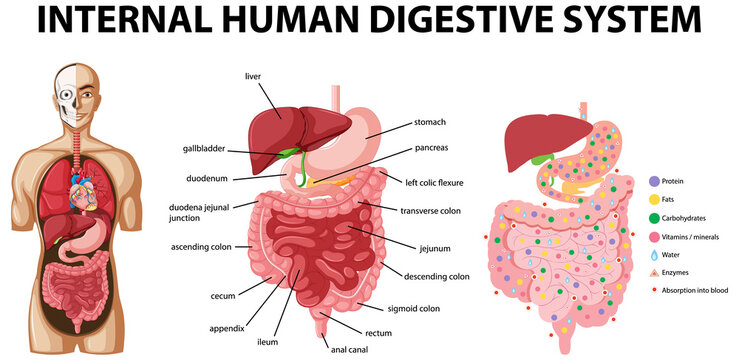
3. Breaking down the digestive process: From ingestion to elimination

In order to fully understand how the digestive system works and how to optimize its function, it is important to break down the various stages of digestion. The process begins with ingestion, the act of taking in food through the mouth. Once food enters the mouth, it is then chewed and mixed with saliva, which aids in breaking down carbohydrates.
From the mouth, the food travels down the esophagus and enters the stomach, where it is further broken down by stomach acids and enzymes. This process allows for the absorption of nutrients and the breakdown of proteins.
Next, the partially digested food moves into the small intestine, where it is further broken down by pancreatic enzymes, bile, and intestinal enzymes. This is where the majority of nutrient absorption occurs.
The remaining waste products then move into the large intestine, where water is reabsorbed, and the waste is formed into feces. Finally, the feces are eliminated through the rectum and anus.
By understanding each stage of digestion, we can identify potential issues or imbalances and take steps to optimize our digestive health. In the next section, we will explore common digestive disorders and discuss potential solutions for maintaining a healthy digestive system.
4. Common digestive disorders and their potential solutions

Common digestive disorders can greatly impact our overall well-being, but with the right knowledge and solutions, we can effectively manage and even alleviate these conditions. Some of the most prevalent digestive disorders include gastroesophageal reflux disease (GERD), irritable bowel syndrome (IBS), and Crohn's disease.
GERD is characterized by the backward flow of gastric acid into the esophagus, leading to heartburn and difficulty swallowing. Lifestyle changes, such as avoiding trigger foods and maintaining a healthy weight, along with medications, can help manage GERD symptoms.
IBS is a chronic condition that causes abdominal pain, bloating, and changes in bowel habits. Identifying trigger foods, managing stress levels, and incorporating fiber-rich foods can provide relief for those with IBS.
Crohn's disease is an autoimmune disorder that inflames the digestive tract, resulting in abdominal pain, diarrhea, and weight loss. Anti-inflammatory medications and dietary changes, such as reducing processed foods and increasing omega-3 fatty acids, can help manage Crohn's disease symptoms.
In the next section, we will delve deeper into these digestive disorders, exploring their causes, symptoms, and additional strategies for maintaining a healthy digestive system. Stay tuned as we unlock further solutions towards achieving optimal digestive health.
5. Unveiling the role of diet and lifestyle in digestive health
To truly understand and unlock solutions for optimal digestive health, it is vital to explore the role that diet and lifestyle play in the well-being of our digestive system. The foods we consume and the way we live our lives can have a significant impact on our digestive health.

First, let's examine the importance of a balanced diet. Consuming a variety of fruits, vegetables, whole grains, lean proteins, and healthy fats can provide the necessary nutrients for a well-functioning digestive system. These foods are rich in fiber, which aids in regulating bowel movements, preventing constipation, and promoting overall gut health. Additionally, incorporating probiotic-rich foods, such as yogurt and fermented vegetables, can help maintain a healthy balance of gut bacteria.
Alongside a balanced diet, maintaining a healthy lifestyle is crucial. Regular exercise can aid in digestion by promoting muscle contractions in the digestive tract. It can also help reduce stress levels, which is essential as chronic stress can negatively impact digestion. Other lifestyle factors, such as getting enough sleep, staying hydrated, and avoiding smoking and excessive alcohol consumption, are also beneficial for digestive health.
By understanding the role of diet and lifestyle in maintaining a healthy digestive system, we can make informed choices to achieve optimal digestive health. In the upcoming sections, we will delve deeper into specific dietary and lifestyle recommendations that can further enhance our digestive well-being. Stay tuned to discover these valuable insights and unlock the door to optimal digestive health.
6. Seeking professional guidance: The importance of consulting a gastroenterologist
While a balanced diet and healthy lifestyle are essential for maintaining optimal digestive health, sometimes we may need additional guidance from a medical professional. This is where a gastroenterologist comes in.

Gastroenterologists are medical specialists who diagnose and treat digestive system disorders. They have extensive knowledge and expertise in understanding the complexities of the digestive system, offering valuable insights and solutions for a wide range of gastrointestinal conditions.
Whether you are experiencing persistent digestive issues such as chronic abdominal pain, bloating, acid reflux, or irregular bowel movements, consulting a gastroenterologist can provide you with a proper diagnosis and personalized treatment plan. They can conduct various diagnostic tests such as endoscopy, colonoscopy, and imaging studies to evaluate the health of your digestive system.
In addition to addressing specific health concerns, gastroenterologists can also provide preventative care and guidance for maintaining long-term digestive health. They can offer advice on dietary modifications, recommend appropriate medications and supplements, and educate you on lifestyle changes that can support your digestive well-being.
Remember, your digestive health is a vital aspect of your overall well-being. By seeking professional guidance from a gastroenterologist, you can gain a deeper understanding of your digestive system and work towards solutions for long-term digestive health.
Stay tuned for the next section, where we will delve into common digestive disorders and their management strategies.
7. Embracing holistic approaches: Exploring alternative solutions for digestive wellness
Embracing holistic approaches: Exploring alternative solutions for digestive wellness
While medical intervention is essential for diagnosing and treating digestive disorders, it is equally important to explore holistic approaches to promote overall digestive wellness. In addition to traditional medical treatments, alternative solutions can provide additional support and enhance the effectiveness of conventional methods.

Natural remedies such as herbal supplements, acupuncture, and probiotics have gained popularity in recent years as complementary therapies for digestive health. These alternative approaches focus on restoring the balance of the digestive system and improving overall gut health.
Herbal supplements like peppermint oil, ginger, and chamomile have been found to alleviate symptoms of common digestive issues such as bloating and indigestion. Acupuncture, an ancient practice originating from Traditional Chinese Medicine, can help regulate the digestive system's function and promote better digestion.
Probiotics, on the other hand, are live bacteria and yeasts that are beneficial for gut health. They can improve digestive function, reduce inflammation, and enhance nutrient absorption. Incorporating probiotic-rich foods like yogurt, sauerkraut, and kombucha can help maintain a healthy balance of gut bacteria.
While these alternative solutions may not be suitable for everyone, they offer a holistic approach to digestive wellness that complements traditional treatments. It is essential to consult with a healthcare professional or a holistic practitioner to determine the most suitable options for your specific needs.
In the next section, we will delve deeper into common digestive disorders, their causes, and management strategies. Stay tuned for valuable insights into conditions such as irritable bowel syndrome, acid reflux, and inflammatory bowel disease.
8. Wrapping up: Empowering yourself with knowledge for a healthier digestive system
As we near the end of this blog series on demystifying the digestive system, it is important to wrap up by emphasizing the power of knowledge in achieving a healthier digestive system. By understanding how our digestive system works and knowing the various solutions available to us, we can take proactive steps towards optimal digestive health.
Throughout this series, we have explored the importance of a balanced diet, regular exercise, and lifestyle modifications for promoting digestive wellness. We have also discussed the benefits of traditional medical interventions and explored alternative solutions such as herbal supplements, acupuncture, and probiotics.
Armed with this knowledge, it is crucial to empower ourselves with the tools needed to make informed decisions about our digestive health. This includes seeking professional advice, maintaining open communication with healthcare providers, and staying up-to-date with the latest research and advancements in the field.
Remember, each individual's digestive system is unique, and what works for one person may not work for another. Therefore, it is essential to find the approaches and solutions that resonate with your own body and lifestyle.
By taking charge of our digestive health and making conscious choices, we can unlock the key to optimal well-being and live a life free from the burdens of digestive disorders.
In conclusion, understanding how the digestive system functions and knowing the solutions available to us is the first step towards achieving optimal digestive health. Whether it be through traditional medical interventions or holistic approaches, the key is to tailor our choices to our individual needs. So, let's embrace the power of knowledge and empower ourselves to live a life of digestive wellness.


Comments
Post a Comment
if you like my content or have any suggestions then please comment